
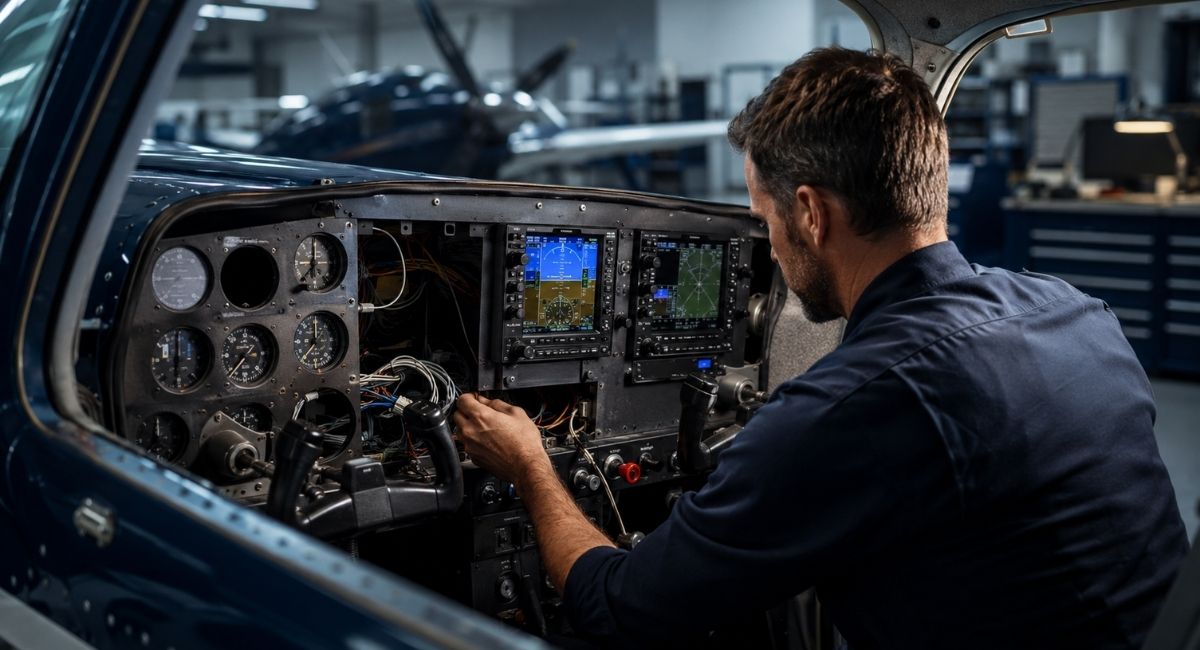
An aircraft panel retrofit is not just a cosmetic upgrade. It is a technical process that modernizes the way an aircraft communicates, navigates, displays information and supports the pilot during flight.
Many aircraft still have strong airframes, reliable engines and years of useful operation ahead. But the panel may be decades behind. When avionics become outdated, the aircraft can begin carrying hidden operational risk: aging components, unsupported systems, old wiring, recurring troubleshooting and increased cockpit workload.
That is why a retrofit should be treated as an engineering decision, not simply a design improvement.
A modern panel should do more than look better.
It should support safety, reliability, situational awareness, lower cockpit workload and long-term operational value.
What does an aircraft panel retrofit include?
A panel retrofit can involve the replacement, reorganization or integration of avionics and flight instruments. Depending on the aircraft configuration and project scope, this may include:
In a well-planned retrofit, the goal is not only to install new equipment. The goal is to create a cleaner, more reliable and more useful cockpit architecture for the way the aircraft is actually flown.
Why legacy avionics become a long-term issue
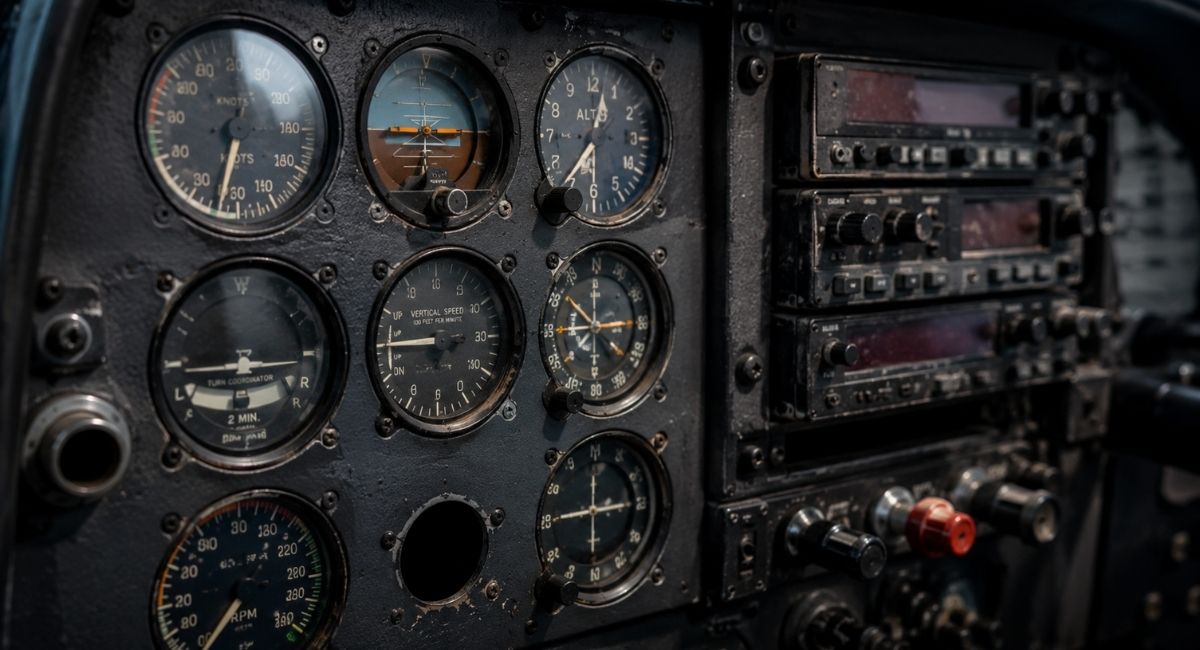
Legacy avionics may still function, but that does not always mean they are the best long-term option for the aircraft.
Older systems can become harder to support as parts become scarce, documentation becomes outdated and troubleshooting becomes more time-consuming. In many cases, the cost is not only the repair itself. The real cost is the downtime, scheduling delays and uncertainty created every time a legacy component fails or behaves inconsistently.
For aircraft owners, this becomes a form of maintenance debt. The panel may continue to work, but it can quietly increase future operating cost and reduce confidence in the cockpit.
Common signs your aircraft may need a retrofit
A retrofit may be worth considering if your aircraft shows one or more of the following signs:
1. Your avionics are becoming harder to maintain
Scarce parts, recurring repairs and limited support can increase both maintenance cost and downtime.
2. Your aircraft relies on older mechanical instruments
Vacuum-driven instruments and mechanical systems can become part of the aircraft’s hidden maintenance debt.
3. Your panel layout increases workload
A fragmented cockpit can force the pilot to scan multiple disconnected instruments during high-workload phases of flight.
4. You are experiencing recurring avionics troubleshooting
Repeated issues can indicate that the aircraft needs more than another repair. It may need a modernization plan.
5. You are preparing the aircraft for resale
A modern panel can improve buyer confidence and increase the perceived value of the aircraft.
The right decision depends on the airframe, current equipment, mission profile, budget and long-term ownership goals.
Why Garmin avionics are often part of modern retrofit projects
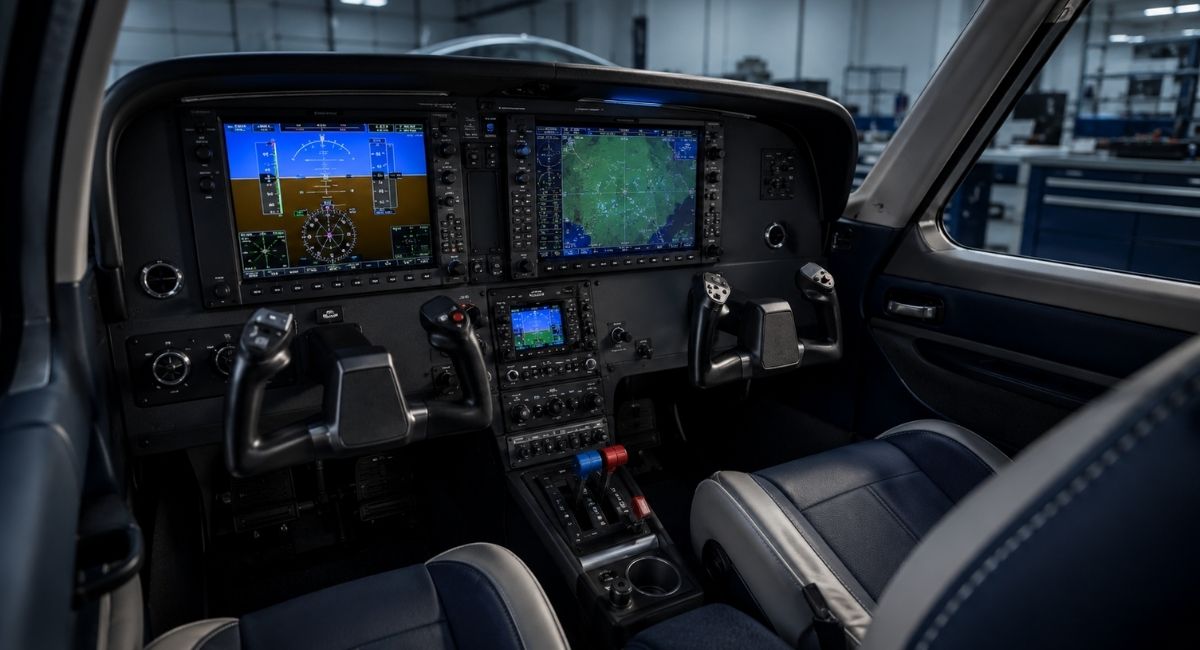
Garmin avionics are frequently considered in modern panel upgrades because they can support a more integrated cockpit experience. Depending on aircraft eligibility and configuration, Garmin systems may include touchscreen flight displays, GPS/NAV/COMM navigators, digital autopilots, audio panels, transponders, engine monitoring and standby instruments.
For many aircraft owners, this type of upgrade is not about adding technology for the sake of technology. It is about improving scan flow, reducing workload, increasing situational awareness and replacing aging components with a more modern architecture.
However, compatibility should never be assumed. The correct equipment package depends on the specific aircraft, its existing avionics, certification requirements and installation goals.
Retrofit is engineering, not decoration
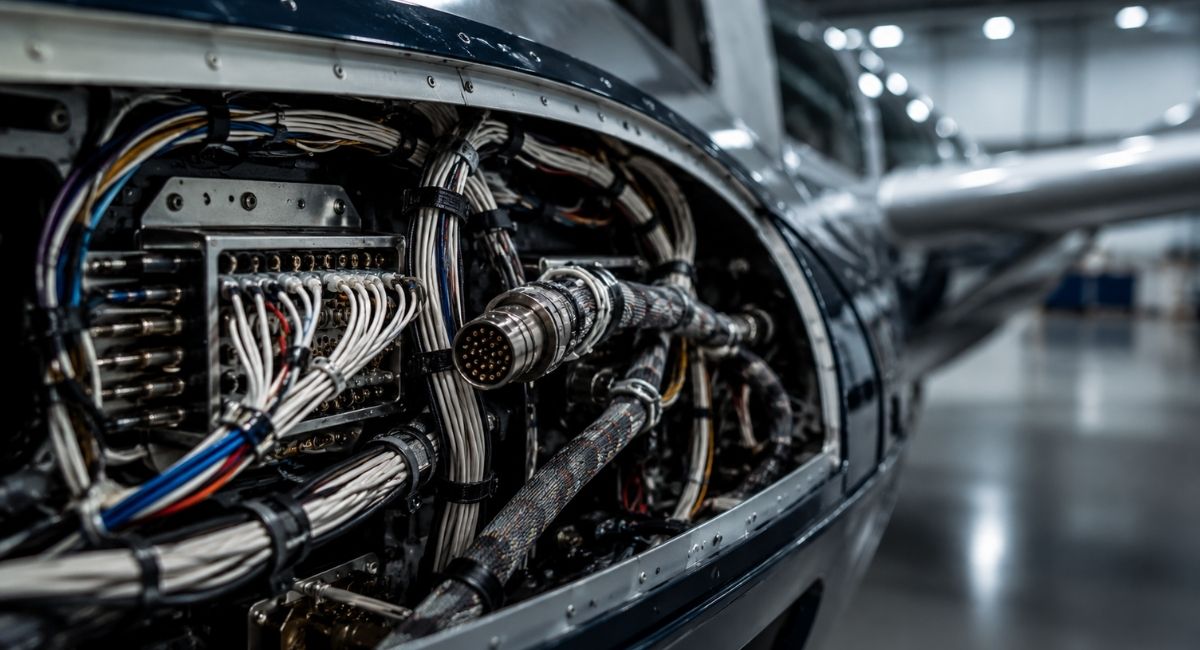
A finished panel may look clean and modern, but the quality of a retrofit is often found behind the panel.
Clean wiring, proper system integration, documentation, testing and aircraft-specific planning are what separate a professional retrofit from a simple equipment swap.
Why installation quality matters
The equipment matters. But installation quality matters just as much.
A professional avionics shop should evaluate how each system communicates with the others, how the panel is organized, how wiring is routed, how future service will be performed and how the aircraft will be tested after installation.
This is especially important for owners who want to reduce downtime, avoid recurring avionics issues and protect the long-term value of the aircraft.
Talk to Plane Instruments before planning your upgrade
Plane Instruments helps aircraft owners evaluate panel upgrades, Garmin avionics, avionics repair, troubleshooting and installation planning from Lake Wales, Florida.
Whether you are considering a complete glass cockpit retrofit or a more gradual avionics upgrade, the best first step is a technical evaluation of your aircraft, mission profile and existing panel.
A modern panel should do more than look better. It should support safety, reliability, confidence and long-term operational value.
Ready to evaluate your aircraft panel?
Request a custom retrofit evaluation with Plane Instruments and understand the best avionics path for your aircraft, mission profile and upgrade goals.
Request My Retrofit Evaluation